Celestial Jewelry

Celestial Jewelry · 喜

Jewels written in the stars

C for celestial, 喜 (say shee) for joy. A small Chinese-American jewelry house in the making, founded by Grace Chen. Our first pieces will turn six traditional blessings into keepsakes in real gold and stone. Join the list to see them first.

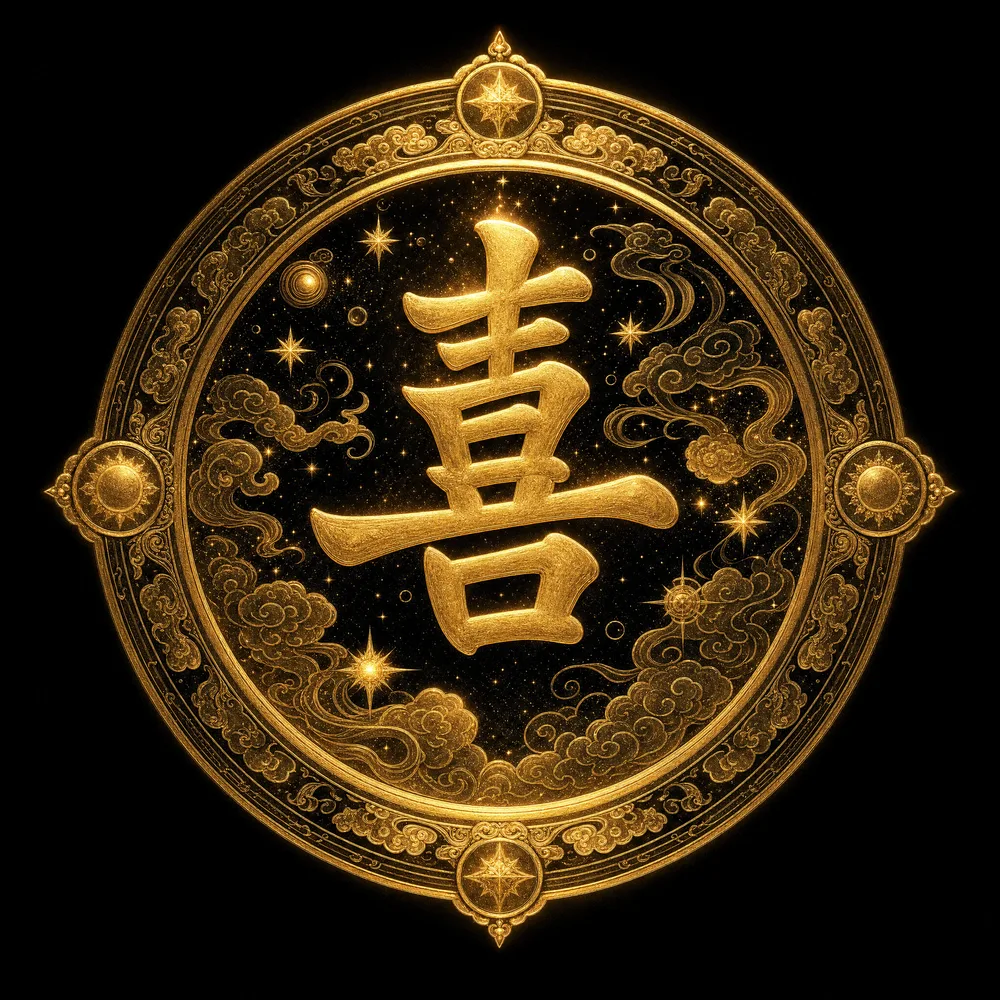
Celestial Jewelry 喜 seal
Our name

C is for Celestial. C is for 喜.

cjewelry began with a single letter and two readings. In English, C is for celestial — belonging to the sky, to moonlight, to the slow clockwork of stars. In Chinese, the same sound opens 喜 (xǐ) — joy, delight, the character doubled on wedding doors as 囍 so happiness never arrives alone.

A jewel is where those two meanings meet: minerals forged by the cosmos, chosen to mark a human moment of joy — an engagement, a birth, a wish for someone you love. This house is being built slowly, on purpose. No warehouse, no rush. Just the story, gathering.

“I started Celestial Jewelry because the wishes people send through LuckyQi deserve something you can hold. I am making the first pieces slowly, and my son, a geology student, keeps me honest about the stones.” — Grace Chen, founder
Sister house · LuckyQi

Wishes made wearable

At LuckyQi, a $5 wish becomes a private ritual — a sealed link your friend opens slowly, like a gift. Six wishes, each with its own seal, mantra, and talisman. One day, we hope each wish becomes a keepsake you can wear. The talismans below are where those jewels will begin.

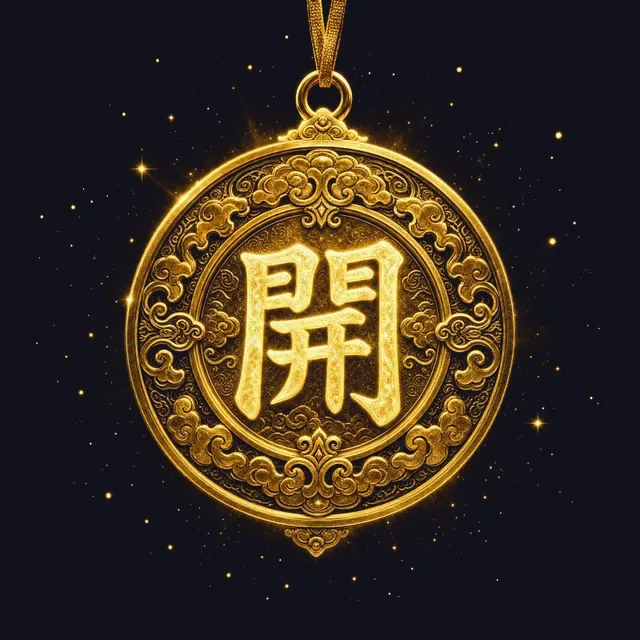
Gold 開 talisman, the wish for opportunities

Opportunities · 開

For doors about to open — the wish for beginnings.

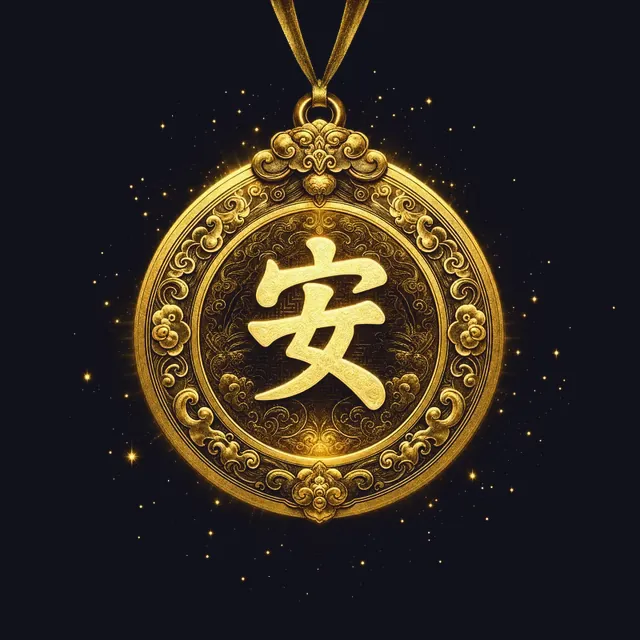
Gold 安 talisman, the wish for peace

Peace · 安

For quiet minds and soft landings — the wish for calm.

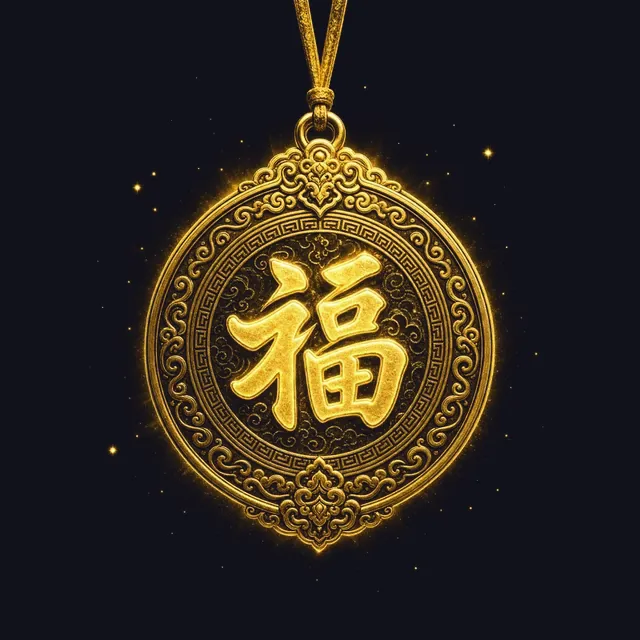
Gold 福 talisman, the wish for prosperity

Prosperity · 福

For abundance that overflows — the wish for fortune.

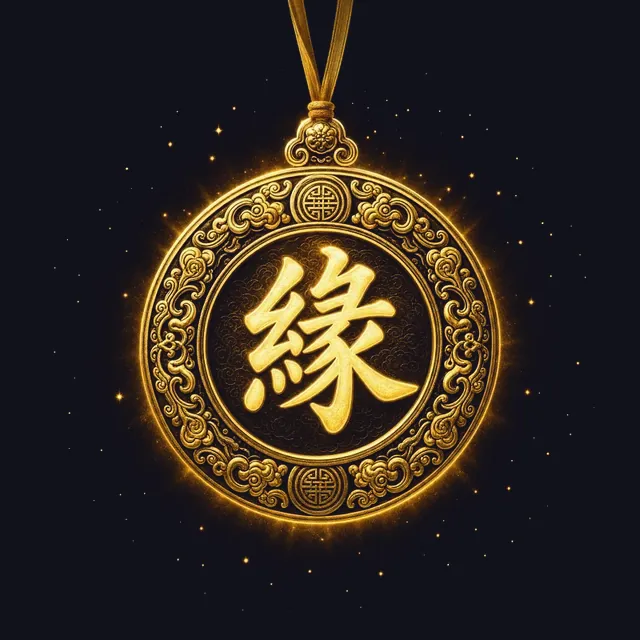
Gold 緣 talisman, the wish for connection

Connection · 緣

For threads that find each other — the wish for belonging.

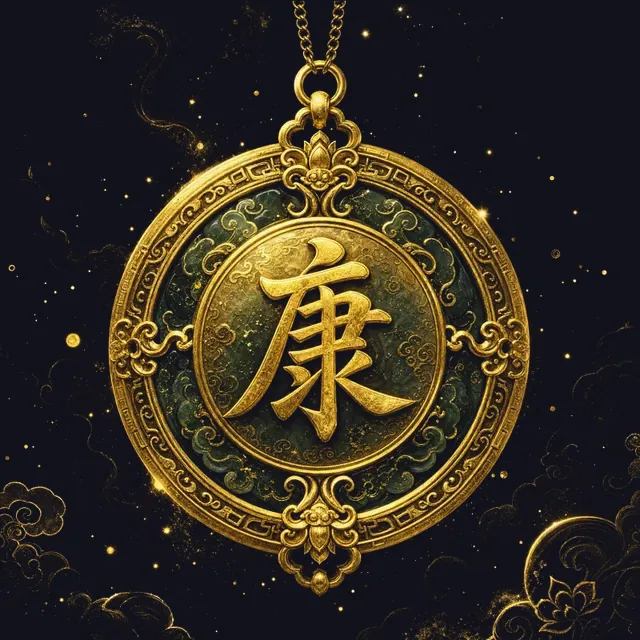
Gold 康 talisman, the wish for health

Health · 康

For strong roots and long years — the wish for wellness.

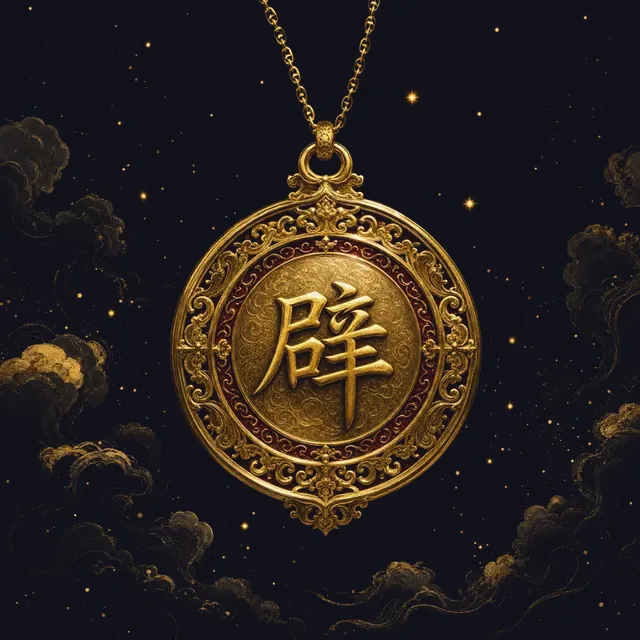
Gold 辟 talisman, the wish for protection

Protection · 辟

For safe passage through anything — the wish for shelter.

Field notes · for the rockhounds

The geology of a jewel

Before a gem is ever set in gold, it is a 4.5-billion-year story — written in collapsing stars, colliding plates, and eruptions faster than sound. Six specimens, six origin stories. This section is kept with love for the geologist in our family.

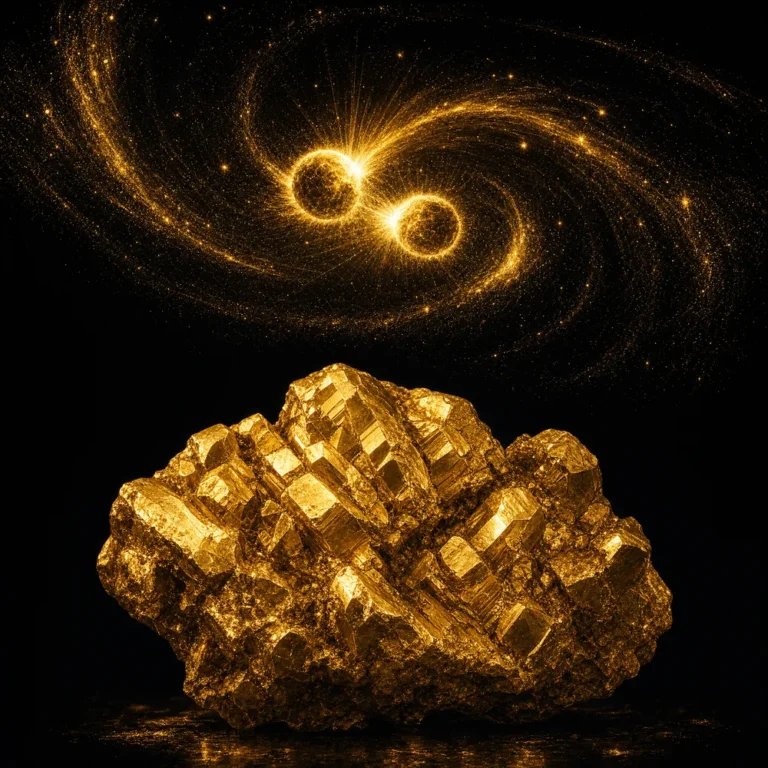
Native gold nugget beneath a spiral of stars

Gold

Au — native element

Mohs 2.5–3 · Isometric · Forged in neutron-star collisions

Earth cannot make gold — no volcano, no pressure, no time is enough. Every atom of it was forged in cosmic cataclysms like colliding neutron stars, billions of years before the Sun existed. A single merger can mint more gold than the mass of Jupiter. The ring on your hand is stardust with a hallmark.

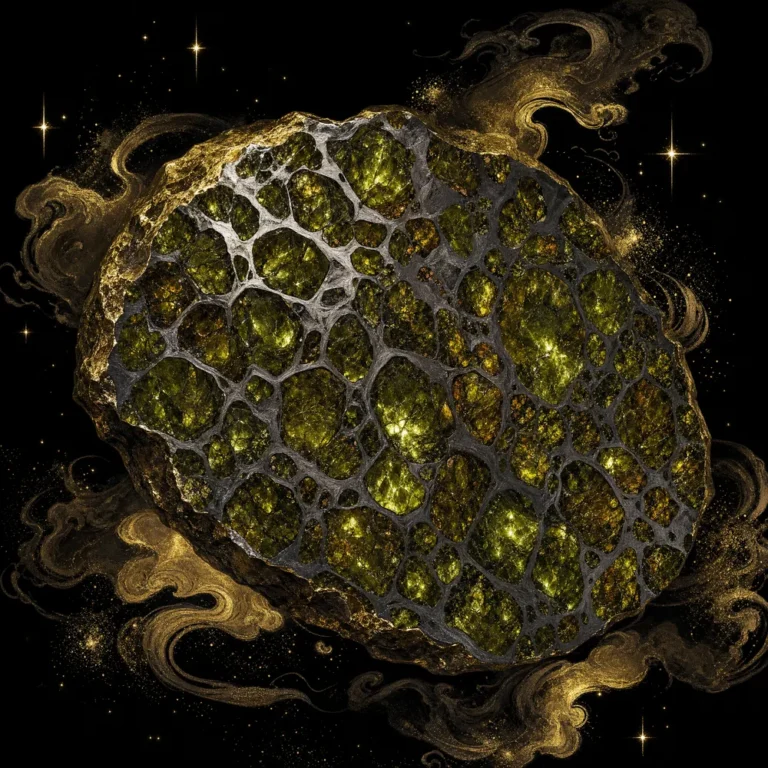
Peridot crystals in a pallasite meteorite slice

Peridot

(Mg,Fe)2SiO4 — olivine

Mohs 6.5–7 · Orthorhombic · Mantle rock & pallasite meteorites

The only gemstone that also falls from the sky. Pallasite meteorites — barely 1% of all falls — carry gem-quality olivine from the core–mantle boundary of asteroids shattered 4.5 billion years ago. A jewel older than the Earth it lands on.

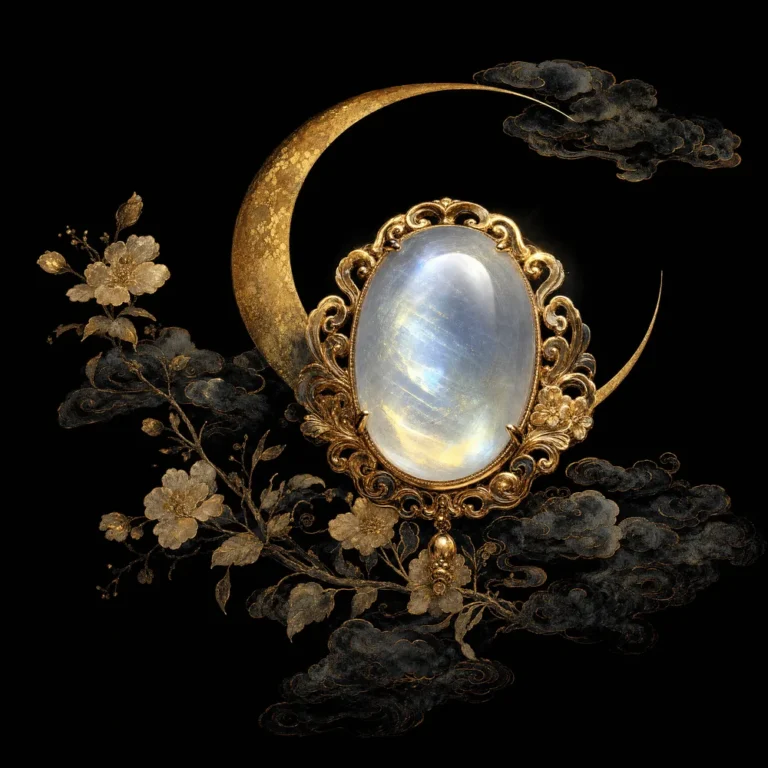
Moonstone cabochon with a blue sheen

Moonstone

KAlSi3O8 — orthoclase feldspar

Mohs 6–6.5 · Monoclinic · Adularescence

Its glow has a name: adularescence — light scattering between microscopic layers that unmixed inside the crystal as it cooled. Moonlight trapped in stone, fully explained by physics and no less magical for it.

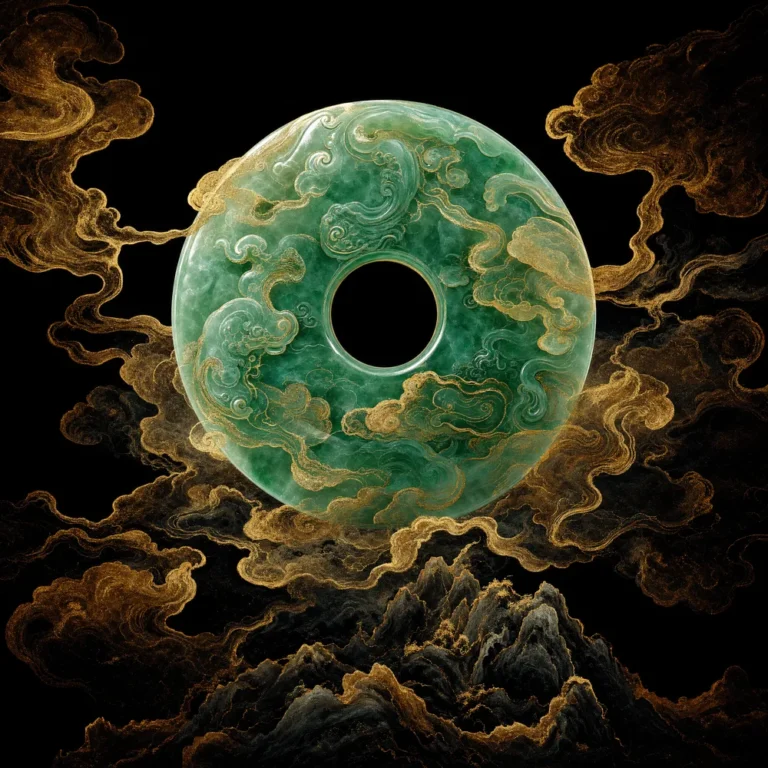
Jadeite jade specimen on a dark ground

Jade

NaAlSi2O6 — jadeite

Mohs 6.5–7 · Monoclinic · Subduction zones only

Jadeite forms in exactly one setting: where an ocean plate dives beneath a continent — crushing pressure, strangely low heat. The stone of 康 (health) is a survivor of the deepest, slowest collision on the planet. Find jade, and you’ve found a fossil subduction zone.

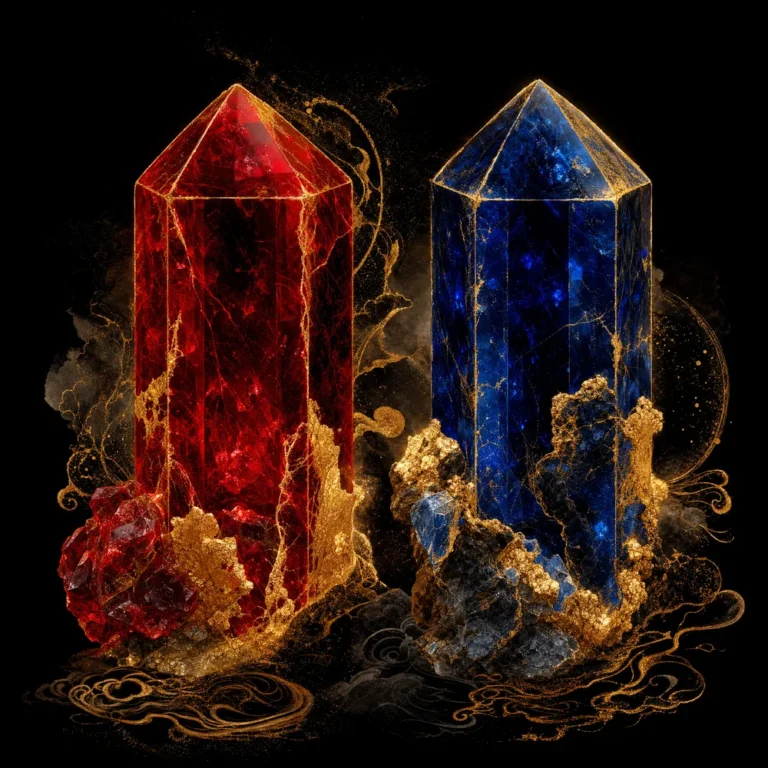
Ruby and sapphire corundum crystals on a dark ground

Ruby & Sapphire

Al2O3 — corundum

Mohs 9 · Trigonal · One mineral, two robes

Ruby and sapphire are the same mineral wearing different robes. A breath of chromium in the lattice burns it ruby-red; iron and titanium cool it to sapphire-blue. Pure, it’s colorless — all that fire comes from impurities. Second in hardness only to diamond.

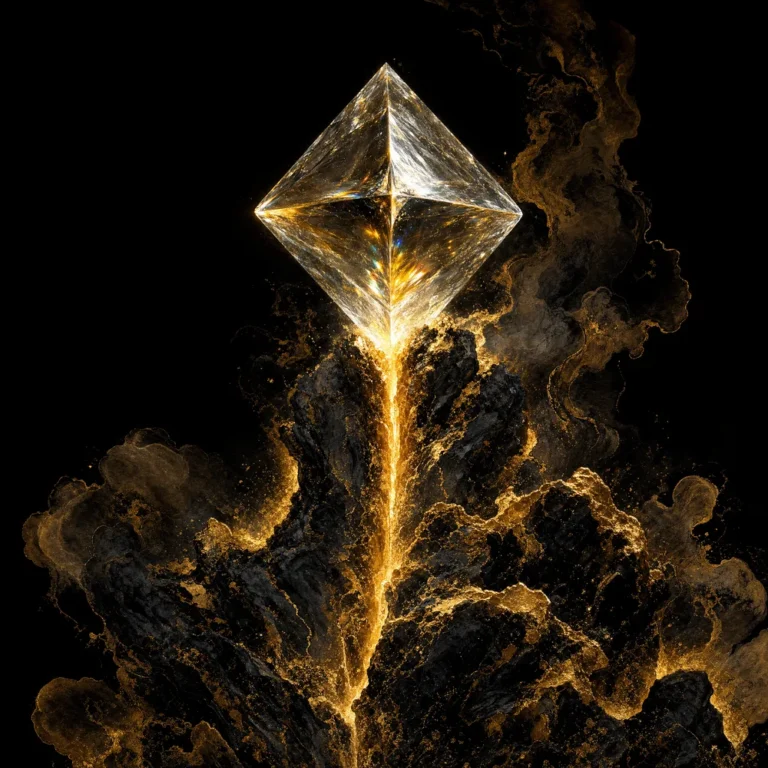
Rough diamond crystal on a dark ground

Diamond

C — carbon

Mohs 10 · Isometric · Born 150–250 km down

Diamonds crystallize deep in the mantle, then ride kimberlite eruptions to the surface at faster-than-sound speeds — slow down, and they’d turn to graphite on the way. Many are older than animal life. Every diamond is a survivor of the most violent elevator ride on Earth.

Field notes verified against GIA gemology references, NAOJ/LIGO r-process research, and peer-reviewed petrology. Rockhounds welcome to argue — that’s what the form below is for.

Join the constellation

Be there when the first jewel lands

No shop yet, no spam ever. A short note from Grace now, a few letters while the first pieces are made, then a first look before anyone else. Never more than once a month. Unsubscribe anytime.